



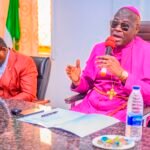

Governor Umar Namadi has intensified his administration’s health sector reforms in 2026 with the upgrade of facilities, procurement of modern medical equipment and expansion of social welfare programmes across Jigawa State. The recent interventions, which combine infrastructure, technology and humanitarian support, are part of a broader effort to strengthen healthcare delivery while cushioning the impact of economic hardship on vulnerable populations.
At the centre of the reforms is a large-scale upgrade of healthcare infrastructure across the state. The government has revitalised over 145 apex Primary Healthcare Centres, equipping them with solar-powered electricity systems, water supply schemes, perimeter fencing and residential quarters for medical personnel to enable 24-hour service delivery. These upgrades are designed not only to improve access but also to ensure that facilities are functional, secure and capable of handling increased patient load across rural and urban communities.
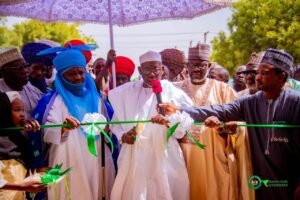
In terms of medical equipment and specialised care, the administration has made significant investments in equipping hospitals with modern technology. Specialist facilities such as the Kazaure Specialist Hospital and other general hospitals across Gwiwa, Garki, Gantsa, Guri and Gwaram have been fully equipped and made operational. In addition, advanced medical infrastructure is being developed, including a state-of-the-art diagnostic and cardiac centre, a cryo-oxygen plant, and multiple dialysis centres in Dutse, Kazaure and Ringim, complementing existing centres in Gumel and Hadejia. These facilities are expected to significantly reduce referrals outside the state and improve treatment of critical illnesses such as kidney and heart diseases.
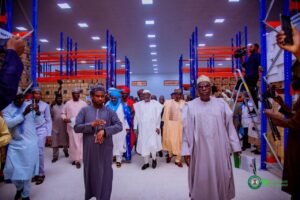
Further strengthening the health system is the construction and commissioning of a central medical store in Dutse, designed to ensure efficient storage and distribution of drugs and medical consumables across the state. The facility enhances the supply chain system, addressing longstanding challenges of drug shortages and improving availability of essential medicines in hospitals and primary healthcare centres. Additionally, over 40 health facilities are being upgraded with modern medical equipment in 2026 to improve diagnostic and treatment capacity.
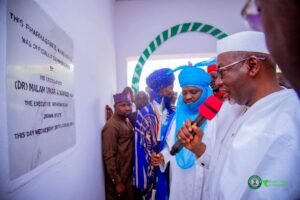
Alongside infrastructure and equipment upgrades, the government has expanded access to healthcare through policy-driven interventions. These include the introduction of free treatment for chronic illnesses such as diabetes, hypertension and sickle cell disease, as well as the expansion of the state health insurance scheme to cover hundreds of thousands of vulnerable residents. The administration has also intensified recruitment of health workers and introduced performance monitoring systems to improve accountability and service delivery across facilities.
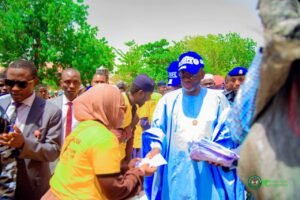
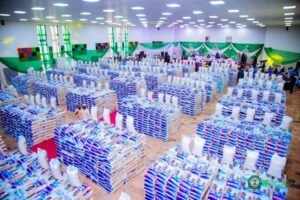
On the humanitarian front, Governor Namadi’s administration has complemented its health reforms with large-scale social support programmes. During the 2026 Ramadan period, thousands of vulnerable households across all 287 wards benefited from food distribution initiatives, including rice and essential food items, aimed at easing economic hardship. The intervention, supported and expanded by the state government, targeted low-income families, the elderly and other vulnerable groups, reinforcing the administration’s commitment to inclusive welfare and social protection.
Observers note that the convergence of health sector modernisation and humanitarian support reflects a governance model focused on both structural reform and immediate relief. With continued investments in medical equipment, facility upgrades and social welfare programmes, the Namadi administration is positioning Jigawa State toward improved health outcomes, stronger systems and a more responsive approach to public service delivery.