









Togo is embarking on a significant expansion of its social protection framework, targeting a new wave of 700,000 vulnerable citizens with direct cash assistance. This major initiative, officially launching on December 18, 2025, in Lomé, represents a strategic investment in human capital and social cohesion, moving beyond temporary aid toward a more systematic safety net.
The launch at the Kotokoli-Zongo Sports Complex in Agoè-Nyivé 4 is symbolic, signaling a commitment to community-level engagement. The subsequent nationwide rollout underscores a policy shift from fragmented projects to an integrated, national program. According to government statements, the core objectives are twofold: to provide immediate economic relief to the most vulnerable households and to strengthen the foundational pillars of social justice and national unity. This approach recognizes that economic vulnerability can undermine social stability, and thus, investing in citizens is an investment in the country’s resilience.
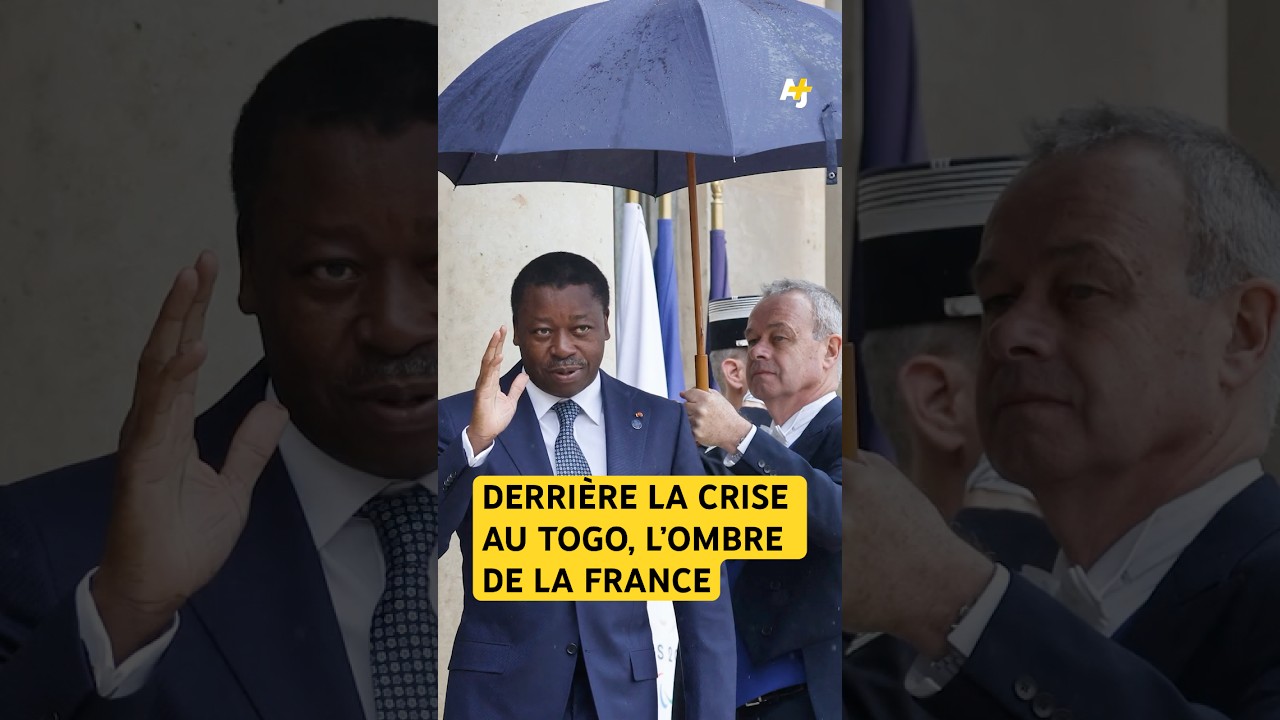
This program is not an isolated act but a direct implementation of a governing philosophy articulated by President of the Council Faure Gnassingbé. His congressional address, emphasizing that “a strong Republic is a Republic that abandons no one,” provides the political bedrock. The operationalization of this principle focuses on territorial equity (ensuring all regions benefit) paired with enhanced social equity (targeting specific marginalized groups). The explicit focus on women, youth, informal sector workers, people with disabilities, and rural families is critical. These groups often face compounded barriers—limited asset ownership, precarious employment, and geographic isolation—that make them particularly susceptible to economic shocks. The program is designed as one pillar within a broader ecosystem of support that includes entrepreneurship, universal health coverage, and inclusive education, creating a multiplier effect for the cash transfers.
The partnership with the World Bank is a key enabler, providing not just funding but also technical expertise in designing scalable and efficient social protection systems. For context, the mobilization of over 1.1 billion CFA francs (approximately $1.8 million USD) between August 2024 and August 2025 for prior transfers demonstrates both commitment and growing institutional capacity. The new program for 700,000 beneficiaries likely represents a substantial scaling of this financial commitment.
Deeper Context & Global Perspective: Cash transfer programs (CTPs) have become a cornerstone of social policy in developing nations, backed by robust evidence. Unlike in-kind aid, cash empowers recipients to address their most pressing needs—whether food, school fees, medicine, or small business inputs—thereby increasing the efficiency of the aid. Studies from similar programs in Kenya, Brazil, and Ethiopia show they can reduce poverty, improve child nutrition and school attendance, and stimulate local economies. The critical design choices for Togo’s program will involve the targeting mechanism (how beneficiaries are identified to minimize inclusion/exclusion errors), the transfer value (whether it’s sufficient to impact well-being), and the payment frequency. Integrating this CTP with other services, as hinted by the government’s statement, is a best practice that can break intergenerational cycles of poverty.
In essence, Togo’s launch is more than a news item; it is a case study in proactive social policy. The program’s success will hinge on transparent implementation, continuous monitoring, and its ability to adapt to the lived realities of the 700,000 Togolese it aims to uplift. If executed effectively, it can serve as a powerful model for balancing immediate humanitarian support with long-term developmental goals.