








By Thandiwe Ketiš Ngoma | Analysis & Commentary
The erosion of democratic norms rarely begins with a dramatic coup. More often, it starts with a subtle, insidious shift—the normalization of illegality, celebrated by those sworn to prevent it. The recent passage of Zambia’s Bill 7, and the subsequent conduct of National Assembly Speaker Nelly Mutti, provides a stark case study in how democracies can be hollowed out from within, not by force, but by forfeiture of principle.
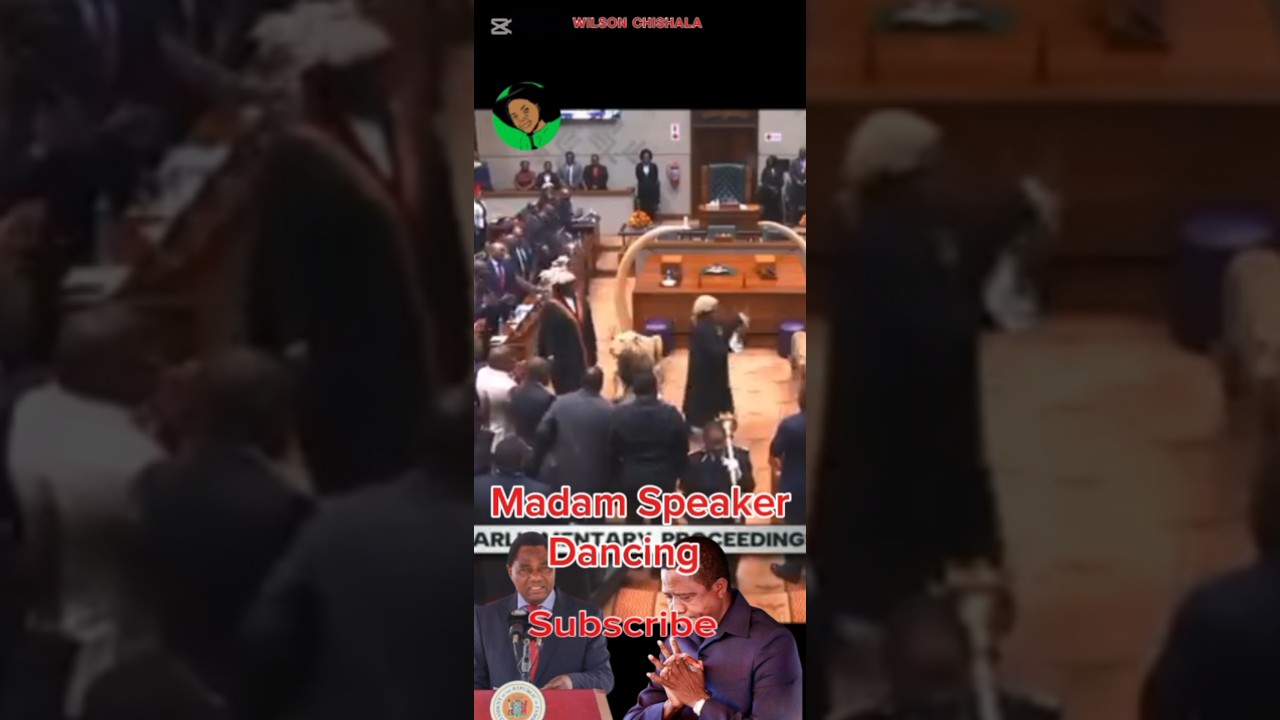
When leaders entrusted with upholding the constitution instead applaud its circumvention, they do not merely wound democracy; they administer a deliberate, calculated toxin to its foundational rule of law. The spectacle of Speaker Mutti celebrating on the parliamentary floor—robed in the vestments of her office—during the completion of a process already deemed unconstitutional, is not a minor breach of decorum. It is a profound symbolic act that signals the capture of an institution designed to be a bulwark against executive overreach.
The Speaker’s Sacred Mandate: Guardian, Not Partisan
The role of a parliamentary Speaker is universally understood in mature democracies to be one of neutral arbiter and institutional guardian. This authority is derived not from political power, but from perceived impartiality and fidelity to procedure. The Speaker’s core duties include:
- Constitutional Fidelity: Ensuring all parliamentary business adheres to the supreme law of the land.
- Protection of Due Process: Guaranteeing fair debate, minority rights, and proper legislative procedure.
- Institutional Dignity: Acting as the custodian of Parliament’s credibility and independence from the executive branch.
In moments of constitutional crisis, the Speaker’s role demands restraint, solemnity, and an unwavering commitment to process over political outcome. Celebration is the antithesis of this duty. It transforms the Speaker from a referee into a cheerleader for one side, irrevocably damaging the chamber’s integrity as a forum for reasoned deliberation.
The Bill 7 Precedent: From Judicial Rebuke to Executive Defiance
The context here is critical. Zambia’s Constitutional Court had already ruled that the initiation process for Bill 7 was unconstitutional. This was not a ruling on the bill’s content, but on the very process of its introduction—a foundational matter of how laws are made in a constitutional order.
A healthy democratic response to such a ruling would involve either abandoning the bill or restarting the process on a constitutional footing. Instead, the executive branch chose a path of defiance, reintroducing the same bill through what critics describe as a combination of political intimidation, patronage, and the misuse of state machinery. Parliament, under the Speaker’s guidance, then became the vehicle for laundering this constitutional violation into statute.
This creates a dangerous precedent: that a court’s constitutional check can be rendered null by sheer political will and parliamentary complicity. It establishes a blueprint for future governments to bypass judicial oversight.
The Fatal Logic of Celebrated Illegality
The core argument is both legal and philosophical: An illegal process cannot yield a legitimate law. A law born of a constitutional violation carries a inherent poison—a defect in its democratic legitimacy that taints its authority and its perceived justice. To celebrate its passage is to celebrate the poisoning of the legal well from which all citizens must drink.
For the Members of Parliament who voted for Bill 7, this is a crucial warning. Participating in building a